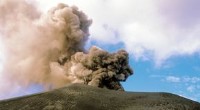
* The Earth's crust: This is the outermost layer of the Earth, composed of rocks and minerals. It is where we live, and it is the source of many of our resources, such as minerals, fossil fuels, and building materials.
* The Earth's mantle: This is a thick layer of hot, solid rock that lies beneath the crust. The mantle is constantly moving, and this movement is what drives plate tectonics.
* The Earth's core: This is the Earth's innermost layer, made up of mostly iron and nickel. The core is very hot, and it is responsible for generating the Earth's magnetic field.
Here's a breakdown of the geosphere's roles:
* Provides a foundation for life: The geosphere provides a solid surface on which life can thrive. It also provides the minerals and nutrients that plants and animals need to survive.
* Shapes the Earth's surface: The geosphere is constantly changing, and these changes shape the Earth's surface. For example, volcanic eruptions and earthquakes can create mountains and valleys.
* Influences the Earth's climate: The geosphere plays a role in regulating the Earth's climate. For example, the Earth's crust and mantle influence the movement of tectonic plates, which can affect ocean currents and atmospheric circulation.
* Provides natural resources: The geosphere is a source of many natural resources, such as minerals, fossil fuels, and building materials.
In summary: The geosphere is a vital component of the Earth system, and it plays a critical role in supporting life, shaping the Earth's surface, and influencing the Earth's climate.