1. Formation Processes:
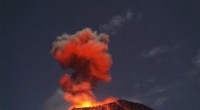
* Igneous rocks: Formed from cooling and solidifying magma or lava.
* Intrusive igneous rocks: Formed from slowly cooling magma underground, often resulting in large, coarse-grained rocks.
* Extrusive igneous rocks: Formed from rapidly cooling lava, often resulting in smaller, fine-grained rocks.
* Sedimentary rocks: Formed from the accumulation and cementation of sediments.
* Clastic sedimentary rocks: Made from fragments of other rocks, their size and shape are influenced by the original rock type and the processes of weathering, erosion, and transport.
* Chemical sedimentary rocks: Formed from the precipitation of minerals, their size and shape are determined by the conditions of precipitation and the crystal structure of the mineral.
* Metamorphic rocks: Formed from existing rocks subjected to heat and pressure.
* Their size and shape are influenced by the original rock type, the intensity of heat and pressure, and the presence of fluids.
2. Weathering and Erosion:
* Rocks are constantly exposed to weathering processes, which break them down into smaller pieces.
* Erosion transports these fragments, further shaping and smoothing them.
* The type of weathering and erosion (e.g., wind, water, ice) and the duration of exposure all influence the size and shape of rocks.
3. Tectonic Activity:
* Plate tectonics can cause rocks to be uplifted, folded, or fractured, leading to significant variations in size and shape.
* Faulting can create large, linear features, while folding can create curved and contorted rock formations.
4. Geological History:
* The history of a rock, including the events it has experienced, influences its size and shape.
* For example, a rock that has been transported by a glacier will be more rounded and smoothed than a rock that has remained in place.
In summary, the diverse formation processes, weathering, erosion, tectonic activity, and geological history all contribute to the wide range of sizes and shapes we see in rocks.