1. Gathering Data: This can be done through various methods:
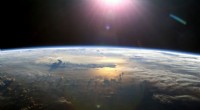
* Remote Sensing: Using satellites and aircraft to capture images and collect data from a distance. This includes aerial photography, radar imaging, and hyperspectral imaging.
* Ground Surveys: Directly measuring distances, elevations, and locations using instruments like GPS, total stations, and laser scanners.
* Existing Data: Using existing maps, databases, and other sources to obtain information about the Earth's surface.
2. Processing Data: The data collected is then processed and analyzed to create accurate representations of the Earth's features. This involves:
* Georeferencing: Aligning the collected data with specific geographic coordinates on the Earth's surface.
* Data Integration: Combining different data sources to create a comprehensive representation.
* Data Transformation: Converting data into different formats and projections to suit specific needs.
3. Creating Maps: The processed data is used to create different types of maps:
* Topographic Maps: Show elevation changes and physical features like mountains, valleys, and rivers.
* Thematic Maps: Highlight specific themes, such as population density, rainfall patterns, or land use.
* Navigation Maps: Help with wayfinding and navigation, including road maps, nautical charts, and aeronautical charts.
* Digital Maps: Interactive maps displayed on computers, tablets, and smartphones, often incorporating real-time data and user-generated content.
4. Maintaining Maps: Mapping is an ongoing process. As the Earth's surface changes, maps need to be updated to reflect these changes. This involves:
* Regular Data Collection: Gathering new data to track changes in the Earth's surface.
* Map Revision: Updating existing maps to reflect new data and changes in features.
* Map Maintenance: Ensuring the accuracy and completeness of maps over time.
Importance of Mapping the Earth's Surface:
* Understanding the Earth: Mapping provides a visual representation of the Earth's features, helping us understand its physical and human geography.
* Navigation and Exploration: Maps are crucial for navigation and exploration, enabling us to travel safely and efficiently.
* Resource Management: Maps help in understanding and managing natural resources, such as water, forests, and minerals.
* Infrastructure Development: Maps are essential for planning and constructing infrastructure, such as roads, bridges, and buildings.
* Emergency Response: Maps are crucial in responding to natural disasters, providing information about affected areas and facilitating relief efforts.
* Environmental Monitoring: Mapping helps track environmental changes, such as deforestation, pollution, and climate change.
In short, mapping the Earth's surface is a crucial scientific and technological endeavor that provides valuable information for a wide range of applications, contributing to our understanding of the world and helping us address critical challenges.