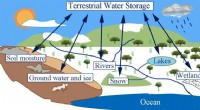
* Erosion: Water is a powerful force that erodes rock. As water flows through cracks and fissures, it dissolves soluble rock like limestone, creating larger cavities. This process is called karst weathering.
* Gravity: Over time, the cavities carved out by water can become large enough that the overlying rock can no longer support its own weight. This is where gravity steps in.
* Collapse: The unsupported rock above the cavity will eventually give way, causing a cave-in. This can happen suddenly or gradually over time.
Here are some details on the types of cave collapses:
* Roof Collapse: The most common type, where the ceiling of the cave gives way.
* Sidewall Collapse: A less common type where the sides of the cave collapse inward.
* Partial Collapse: A portion of the cave collapses, leaving behind a smaller cave or a pile of debris.
* Complete Collapse: The entire cave collapses, leaving no trace of the original cavity.
The size and impact of a cave collapse depend on:
* The type of rock: Some rocks are more susceptible to erosion than others.
* The size of the cavity: Larger cavities are more likely to collapse.
* The weight of the overlying rock: Heavier rock is more likely to collapse.
* Seismic activity: Earthquakes can trigger cave collapses.
Cave collapses can be dangerous, especially for people exploring caves. Here are some safety tips:
* Don't explore caves without proper training and equipment.
* Be aware of the signs of a potential collapse, such as loose rock and cracks in the ceiling.
* Don't enter caves that have been recently damaged by floods or earthquakes.
Cave formation and collapse are fascinating natural processes that remind us of the power of gravity and the ever-changing nature of our planet.