Types:
* Continental Crust: Thicker (30-70 km), less dense, mostly composed of granite, older, and forms the continents.
* Oceanic Crust: Thinner (5-10 km), denser, mostly composed of basalt, younger, and forms the ocean floor.
Composition:
* Minerals: The most common minerals found in the crust are feldspar, quartz, mica, and amphiboles.
* Rocks: The crust is composed of igneous, sedimentary, and metamorphic rocks.
Key Characteristics:
* Solid and Rigid: The crust is the only solid layer on Earth.
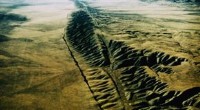
* Fragmented: The crust is broken into large pieces called tectonic plates.
* Dynamic: The crust is constantly being created and destroyed through plate tectonics.
* Varying Thickness: The crust is thicker under continents and thinner under oceans.
Importance:
* Life Support: The crust provides the foundation for all life on Earth.
* Resources: The crust contains vast deposits of minerals, energy resources (like oil and gas), and freshwater.
* Landforms: The crust forms the mountains, valleys, and other landforms that we see.
In short, the Earth's crust is the solid, rocky layer that we live on, and it's a dynamic and fascinating part of our planet.