Gully erosion is a type of soil erosion where deep channels or ravines are carved into the land by running water.
Here's a breakdown:
* What: The formation of channels or gullies in the soil.
* How: It's caused by concentrated water flow, often due to:
* Heavy rainfall: Excessive rainfall can overwhelm the soil's ability to absorb water, leading to runoff.
* Lack of vegetation: Roots help bind the soil together and slow down water flow. Areas with sparse or no vegetation are more susceptible.
* Poor land management: Practices like tilling and leaving fields bare can increase erosion.
* Steep slopes: Steeper slopes accelerate water flow, making erosion more likely.
* Impact: Gully erosion can have significant impacts:
* Loss of topsoil: This leads to reduced agricultural productivity.
* Sedimentation: Eroded soil ends up in rivers, lakes, and reservoirs, causing pollution and clogging waterways.
* Landslides: Gullies can weaken slopes, making them prone to landslides.
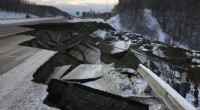
* Damage to infrastructure: Gullies can damage roads, bridges, and other structures.
Key differences from sheet erosion:
* Sheet erosion involves the gradual removal of topsoil by thin sheets of water.
* Gully erosion is a more intense form of erosion that involves the creation of deep channels.
Prevention and control measures:
* Contour farming: Planting crops across the slope, rather than up and down, slows water flow.
* Terracing: Creating level platforms on slopes to reduce runoff.
* Crop rotation: Rotating crops can help improve soil health and reduce erosion.
* Cover cropping: Planting non-cash crops to protect soil during fallow periods.
* Afforestation: Planting trees can stabilize slopes and prevent erosion.
* Gully stabilization: Using structures like check dams and rock-filled channels to slow water flow and prevent further erosion.
Understanding and mitigating gully erosion is crucial for protecting land resources and ensuring long-term sustainability.