* Denser Oceanic Crust Subducts: Oceanic crust is denser than continental crust. When they collide, the denser oceanic crust is forced to bend and slide beneath the lighter continental crust.
* Subduction Zone Formation: The area where the oceanic crust descends beneath the continental crust is called a subduction zone. This zone is characterized by a deep trench, volcanic activity, and earthquakes.
* Magma Generation: As the oceanic crust descends, it melts due to the intense heat and pressure. This molten rock, called magma, rises to the surface, often creating volcanoes along the edge of the continent.
* Mountain Building: The collision also causes the continental crust to buckle and fold, leading to the formation of mountain ranges. The Andes Mountains in South America are a classic example of mountains formed by subduction.
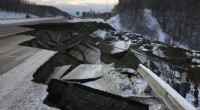
* Earthquakes: Subduction zones are also associated with significant earthquake activity. The movement of the plates along the subduction zone can release tremendous amounts of energy, causing earthquakes.
Here's a visual analogy: Imagine trying to push a piece of wood under a piece of cardboard. The cardboard (continental crust) is lighter and will stay on top, while the wood (oceanic crust) will slide underneath.
Consequences of Subduction:
* Volcanoes: Subduction zones are responsible for many of the world's most active volcanoes, including those found in the Pacific Ring of Fire.
* Earthquakes: Some of the most powerful earthquakes on Earth occur along subduction zones.
* Mountain Formation: Subduction is a major force behind mountain building processes.
* Trench Formation: The deepest parts of the ocean, called trenches, are formed at subduction zones.
Subduction is a powerful and ongoing process that shapes the Earth's surface and contributes to the dynamic nature of our planet.