Factors Affecting Cooling Rate:
* Composition: Felsic rocks (like granite) are richer in silica, which forms more complex silicate structures. This makes them more viscous (thick), hindering the flow of heat and slowing down cooling.
* Depth of Intrusion: Rocks that solidify deep underground cool much slower than those at the surface. The surrounding rock acts as an insulator.
* Size and Shape of Intrusion: A large, massive intrusion will cool slower than a smaller, thin one, due to the greater volume of rock that needs to lose heat.
* Presence of Water: Water can act as a cooling agent, speeding up solidification.
Exceptions:
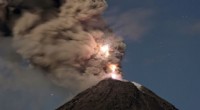
* Volcanic Felsic Rocks: Felsic rocks that erupt on the surface (like rhyolite) can cool quickly due to the rapid heat loss to the atmosphere.
* Mafic Intrusions: Large mafic intrusions, especially those at depth, can cool very slowly. Think of the giant gabbroic bodies found in some mountain ranges.
In General:
* Mafic rocks (like basalt) have a lower silica content, are less viscous, and cool more quickly.
* Felsic rocks (like granite) have a higher silica content, are more viscous, and usually cool more slowly.
Conclusion:
While the general trend holds true, it's important to consider the specific context when comparing cooling rates of mafic and felsic rocks. Depth, size, and the presence of water can all play a role.