1. Formation Process:
* Sedimentation: Sedimentary rocks are formed by the accumulation and cementation of sediments like sand, silt, clay, and organic matter. These sediments bury organisms, protecting them from decomposition and the elements.
* Burial: The layers of sediment build up over time, burying organisms deeper and deeper. The weight of the overlying sediment compresses and solidifies the layers, forming rock.
* Preservation: The burial process slows down or prevents decomposition and scavengers from accessing the organic remains, allowing for fossilization.
2. Igneous and Metamorphic Rocks:
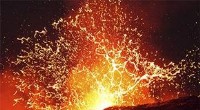
* High Temperatures: Igneous rocks form from the cooling and solidification of molten lava or magma. The extreme heat associated with this process would completely destroy any organic remains.
* Recrystallization: Metamorphic rocks form when existing rocks are transformed by heat and pressure. This process causes the original minerals to recrystallize, obliterating any fossils that might have been present.
3. Exceptions:
* Amber: Some fossils, like insects trapped in amber, are found in sedimentary rocks, but the amber itself is fossilized resin from ancient trees.
* Trace Fossils: Trace fossils, like footprints or burrows, can be preserved in different rock types, including igneous and metamorphic, if the conditions are favorable.
In summary: The processes involved in the formation of sedimentary rocks are conducive to preserving organic remains, making them the most common location for fossils. Igneous and metamorphic rocks are formed under conditions that are destructive to fossils.