Here's what it means for Rhode Island:
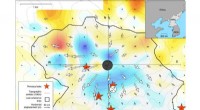
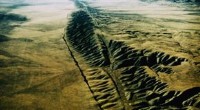
* No major earthquakes: While there have been minor earthquakes in the past, Rhode Island doesn't experience the powerful seismic activity seen in areas like California, where plates are actively interacting.
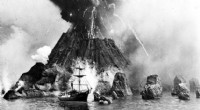
* No active volcanism: Rhode Island doesn't have active volcanoes, as these are primarily found at plate boundaries.
* Slow, gradual changes: The North American Plate is slowly moving, but these movements are very slow and gradual, not causing dramatic changes in Rhode Island's landscape.
However, Rhode Island does experience some geological activity related to the North American Plate:
* Erosion and deposition: The slow movement of the plate, coupled with other geological forces, leads to erosion of landforms and deposition of sediment over long periods.
* Glacial activity: Rhode Island was heavily influenced by glaciers during the last Ice Age, leaving behind features like glacial valleys, drumlins, and eskers.
In conclusion, while Rhode Island doesn't have active plate tectonics at its boundaries, it is still part of the North American Plate and experiences some geological activity related to its slow movement and past glacial activity.