Natural Hazards:
* Earthquakes: Caused by the movement of tectonic plates, these can result in massive destruction, tsunamis, and landslides.
* Volcanic Eruptions: Molten rock, ash, and gas spewed from volcanoes can cause widespread damage, air pollution, and climate change.
* Landslides: Gravity-induced movement of soil and rock can cause significant damage to infrastructure, property, and human life.
* Sinkholes: Depressions in the ground caused by the collapse of underlying rock or soil can damage buildings, roads, and other infrastructure.
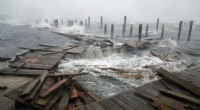
* Tsunamis: Giant waves caused by earthquakes or volcanic eruptions can devastate coastal areas.
* Meteorite Impacts: Large impacts can cause catastrophic events, including mass extinctions.
Resource Depletion:
* Fossil Fuel Depletion: The finite supply of oil, coal, and natural gas is a major concern for energy security and climate change.
* Mineral Depletion: Overuse of minerals, such as copper, iron, and aluminum, can lead to scarcity and economic problems.
* Groundwater Depletion: Excessive pumping of groundwater can lead to water shortages, land subsidence, and saltwater intrusion.
Environmental Degradation:
* Soil Erosion: Loss of topsoil due to wind and water erosion can reduce agricultural productivity and pollute waterways.
* Pollution: Contamination of soil and groundwater from industrial waste, pesticides, and fertilizers can harm human health and ecosystems.
* Mining Impacts: Surface and underground mining can damage landscapes, pollute water, and displace communities.
* Climate Change: Greenhouse gas emissions, primarily from fossil fuels, are driving climate change, which is causing rising sea levels, extreme weather events, and ocean acidification.
Other Issues:
* Earthquakes and Volcanic Activity: These processes can disrupt transportation, communication, and power grids, leading to economic and social disruptions.
* Landslides and Sinkholes: These hazards can damage infrastructure, homes, and businesses, leading to economic losses and displacement.
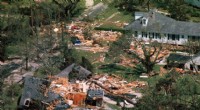
* Natural Disasters: Natural hazards such as earthquakes, volcanoes, and tsunamis can cause immense human suffering, economic losses, and long-term recovery challenges.
Addressing Geosphere Problems:
Addressing these problems requires a multi-faceted approach, including:
* Scientific Research: Understanding the processes that drive these problems is essential for developing effective mitigation and adaptation strategies.
* Sustainable Practices: Conserving resources, reducing pollution, and developing renewable energy sources are crucial for minimizing environmental impacts.
* Disaster Preparedness: Investing in early warning systems, emergency preparedness, and disaster response infrastructure can help mitigate the impacts of natural hazards.
* Policy and Governance: Effective policies and regulations are needed to regulate resource use, manage environmental risks, and ensure responsible development.
* International Cooperation: Addressing global challenges such as climate change and resource depletion requires collaborative efforts across nations.
By working together, we can address these problems and ensure a sustainable future for our planet.