River Valleys:
* V-shaped valleys: Formed by the erosive power of a river cutting down into the surrounding rock.
* U-shaped valleys: Often formed by glacial erosion, but can also be modified by river erosion over time.
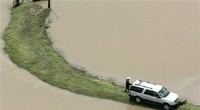
* Floodplains: Flat areas along a river's course created by the deposition of sediments during floods.
* Meanders: Winding curves in a river's course, formed by erosion on the outer bank and deposition on the inner bank.
* Oxbow lakes: Crescent-shaped lakes formed when a meander is cut off from the main river channel.
Other Features:
* Canyons: Deep, steep-sided valleys formed by river erosion over long periods.
* Gorges: Narrow, steep-sided canyons, often formed by the erosion of resistant rock.
* Ravines: Small, steep-sided valleys formed by the erosion of runoff.
* Gullies: Small, narrow channels formed by the erosion of runoff.
* Badlands: Areas of barren, eroded land with numerous gullies and ravines.
* Sea cliffs: Steep cliffs along coastlines formed by the erosion of waves.
* Beaches: Areas of sand and other sediments deposited by waves.
* Sand dunes: Hills of sand formed by wind erosion and deposition.
* Wave-cut platforms: Flat surfaces formed by the erosion of waves along a coastline.
Erosional Processes:
* Abrasion: The grinding and scraping of rock by sediment carried by the water.
* Corrosion: The chemical weathering of rock by acidic water.
* Hydraulic action: The force of water itself, which can break apart rock.
* Attrition: The wearing down of sediment particles as they collide with each other.
These features are a testament to the relentless power of water and its ability to sculpt the Earth's surface over time.