1. Weathering: This process breaks down rocks into smaller pieces, making them easier to move. There are two main types of weathering:
* Physical weathering: This involves the mechanical breakdown of rocks, like freezing/thawing, abrasion, and root wedging.
* Chemical weathering: This involves the chemical alteration of rocks, like oxidation, hydrolysis, and dissolution.
2. Erosion: This process involves the transportation of weathered rock material by various agents like wind, water, ice, and gravity.
* Wind: Strong winds can carry sand and dust, creating sand dunes and loess deposits.
* Water: Rivers, streams, and ocean currents transport sediment, shaping valleys, canyons, and coastlines.
* Ice: Glaciers can carve valleys and transport huge boulders, leaving behind glacial till.
* Gravity: Landslides, mudflows, and rockfalls occur due to gravity pulling materials downhill.
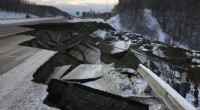
3. Mass Wasting: This refers to the downhill movement of rock and soil due to gravity, often triggered by factors like heavy rainfall or earthquakes. It includes:
* Creep: Slow, continuous movement of soil downhill.
* Slump: Rotational movement of a mass of rock or soil.
* Rockfall: Freefall of rock fragments from a cliff face.
4. Plate Tectonics: This process involves the movement of the Earth's tectonic plates, which can cause uplift, faulting, and volcanic activity, resulting in the transportation and deposition of rock materials over vast distances.
In summary, a combination of weathering, erosion, mass wasting, and tectonic activity constantly move rock materials across the Earth's surface, shaping its landscapes and influencing its geological history.