Here are some examples of land formations:
Based on their origin:
* Tectonic landforms: Created by the movement of Earth's tectonic plates, like mountains, volcanoes, and rift valleys.
* Erosion landforms: Shaped by the weathering and erosion of rocks and soil, like canyons, valleys, and mesas.
* Depositional landforms: Formed by the deposition of sediments, like deltas, sand dunes, and alluvial fans.
* Glacial landforms: Created by the movement of glaciers, like cirques, moraines, and fjords.
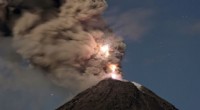
* Volcanic landforms: Formed by volcanic activity, like volcanoes, calderas, and lava flows.
Based on their characteristics:
* Mountains: High, elevated landforms with steep slopes.
* Hills: Smaller, rounded elevations with gentler slopes.
* Valleys: Depressions in the Earth's surface, often formed by rivers.
* Plains: Flat, open areas of land.
* Deserts: Areas with very low rainfall and sparse vegetation.
* Oceans and seas: Large bodies of salt water.
* Rivers and lakes: Bodies of fresh water.
Land formations are constantly changing, shaped by various geological processes over millions of years. Studying them helps us understand the Earth's history, its dynamic nature, and how it interacts with the environment.