1. Weathering:
* Physical Weathering: This involves the mechanical breakdown of rocks into smaller pieces.
* Frost Wedging: Water seeps into cracks in rocks, freezes and expands, putting pressure on the rock and causing it to break.
* Thermal Expansion/Contraction: Daily temperature swings cause rocks to expand and contract, weakening them over time.
* Abrasion: Rocks are worn down by wind, water, or ice carrying other particles (like sand) that rub against them.
* Chemical Weathering: This involves chemical reactions that break down rock.
* Acid Rain: Rainwater slightly acidic due to dissolved carbon dioxide reacts with certain minerals in rocks, dissolving them.
* Oxidation: Iron in rocks reacts with oxygen and water, creating rust, which weakens the rock.
* Hydrolysis: Water reacts with minerals in rocks, changing their composition and making them more susceptible to erosion.
2. Erosion:
* Water Erosion: Rain, rivers, and glaciers carve out valleys, transport sediment, and wear down rock.
* Wind Erosion: Wind carries sand and dust, abrading rock surfaces and transporting loose sediment.
* Glacial Erosion: Massive glaciers move slowly across land, carving out valleys, scraping away rock, and transporting huge amounts of sediment.
* Gravity Erosion: Gravity causes rockfall, landslides, and soil creep, moving material downhill and wearing down mountain slopes.
3. Mass Movement:
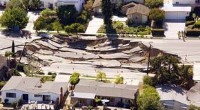
* Landslides: Rapid movements of rock and soil downhill due to gravity, often triggered by heavy rain or earthquakes.
* Creep: Slow, continuous movement of soil downhill, caused by freeze-thaw cycles or the weight of water.
4. Biological Factors:
* Plants: Roots can grow into cracks in rocks, wedging them apart.
* Animals: Burrowing animals can loosen soil and make it more susceptible to erosion.
The result of all these processes is that mountains are constantly being worn down, becoming smaller and more rounded over time. This process is extremely slow, but over millions of years, even the tallest mountains can be reduced to rolling hills.