The external processes of the rock cycle are those that occur at or near the Earth's surface and are driven by external forces, primarily weathering, erosion, and deposition. These processes break down existing rocks and transport the resulting sediments, ultimately creating new sedimentary rocks.
Here's a breakdown of each process:
1. Weathering:
* Definition: The process of breaking down rocks, soil, and minerals through direct contact with the Earth's atmosphere, water, and biological organisms.
* Types:
* Physical weathering: Breaking down rocks without changing their chemical composition. Examples include:
* Frost wedging: Water freezes in cracks, expands, and breaks the rock.
* Thermal expansion and contraction: Temperature fluctuations cause rocks to expand and contract, weakening them.
* Abrasion: Rocks and sediments are ground down by friction.
* Chemical weathering: Breaking down rocks through chemical reactions. Examples include:
* Dissolution: Water dissolves minerals in rocks.
* Oxidation: Iron in rocks reacts with oxygen, forming rust.
* Hydrolysis: Water reacts with minerals, changing their composition.
* Biological weathering: Breaking down rocks through the actions of living organisms. Examples include:
* Plant roots: Growing roots can exert pressure and break rocks.
* Burrowing animals: Animals can break down rocks and soil.
* Lichens: Lichens produce acids that can dissolve rock.
2. Erosion:
* Definition: The process of transporting weathered rock fragments and sediments from one location to another.
* Agents of erosion:
* Water: Rivers, streams, oceans, and rain can carry away sediments.
* Wind: Wind can transport dust, sand, and other particles.
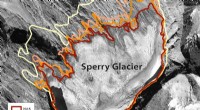
* Ice: Glaciers can carve out valleys and transport large boulders.
* Gravity: Gravity can cause landslides and mass wasting, moving sediments downhill.
3. Deposition:
* Definition: The process by which eroded sediments are dropped or settled in a new location.
* Factors influencing deposition:
* Water velocity: Slowing water causes sediments to settle.
* Wind speed: Decreasing wind speed causes sediments to settle.
* Gravity: Gravity pulls sediments down slopes.
* Changes in elevation: Sediments are often deposited in low-lying areas.
The Importance of External Processes:
External processes play a crucial role in the rock cycle by:
* Breaking down existing rocks: Weathering and erosion break down rocks, creating sediments.
* Transporting sediments: Erosion transports sediments from one place to another, ultimately leading to their deposition.
* Creating sedimentary rocks: Sediments deposited in layers over time are compacted and cemented, forming sedimentary rocks.
* Shaping the Earth's surface: These processes sculpt landscapes, creating mountains, valleys, canyons, and coastlines.
Understanding the external processes of the rock cycle helps us appreciate the dynamic nature of the Earth's crust and the interconnectedness of its various systems.