Volcanic Mountain:
* Formation: A mountain formed primarily by the accumulation of volcanic material (lava, ash, tephra) erupted from one or more volcanic vents.
* Morphology: Typically exhibits a conical or dome-shaped structure, often with a crater or caldera at the summit.
* Geologic Process: The mountain's growth is driven by repeated volcanic eruptions over time.
* Composition: Primarily composed of volcanic rock (igneous rocks) such as basalt, andesite, rhyolite, or their variations.
Key Points:
* Size and Shape: While often associated with high peaks, volcanic mountains can range in size from small cones to massive shield volcanoes.
* Eruptive History: A volcanic mountain's history of eruptions influences its shape and features.
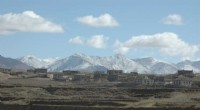
* Volcanic Activity: Volcanic mountains may be active, dormant, or extinct.
Examples:
* Mount Fuji (Japan)
* Mount Kilimanjaro (Tanzania)
* Mauna Kea (Hawaii)
* Mount Vesuvius (Italy)
Note: The term "volcanic mountain" is sometimes used interchangeably with "volcano". While they are closely related, it's important to recognize that not all volcanoes are mountains (e.g., underwater volcanoes) and not all mountains are volcanic (e.g., fault-block mountains).