Regions with high wind speeds, loose, dry soils, and sparse vegetation are most prone to wind erosion and deposition. These areas include:
1. Arid and Semi-Arid Regions:
* Deserts: The Sahara Desert, the Arabian Desert, the Gobi Desert are prime examples. Low rainfall, sparse vegetation, and loose sand create ideal conditions for wind erosion and deposition.
* Drylands: These areas experience limited rainfall, leading to dry, easily erodible soil. The Great Plains of North America, the Pampas of South America, and the steppes of Eurasia are notable examples.
2. Coastal Areas:
* Beaches and Dunes: Coastal areas with loose sand and strong winds from the ocean experience significant wind erosion and deposition, forming sand dunes and shaping the coastline.
* Salt Flats: Areas where water evaporates rapidly, leaving behind salt and loose sediment, are prone to wind erosion.
3. Agricultural Areas:
* Croplands and Pastures: Agricultural practices, like tilling and overgrazing, can expose soil and reduce vegetation cover, making land susceptible to wind erosion.
* Disturbed Land: Construction sites, mining areas, and areas cleared for development often have exposed soil prone to wind erosion.
4. Areas with High Altitude:
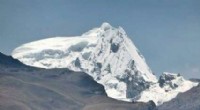
* Mountainous Regions: High winds and loose soil on slopes in mountainous areas can lead to significant wind erosion and deposition.
Why These Areas Experience High Wind Erosion & Deposition:
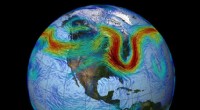
* High Wind Speeds: Areas with persistent strong winds have greater energy to lift and transport soil particles.
* Loose, Dry Soil: Dry soil lacks moisture, which acts as a binding agent, making it easily dislodged by wind.
* Sparse Vegetation: Plants help stabilize soil and reduce wind speeds, their absence makes soil more vulnerable to wind erosion.
* Lack of Surface Cover: Areas with bare ground are more susceptible to wind erosion, as there is no natural barrier to protect the soil.
Consequences of Wind Erosion & Deposition:
* Soil Degradation: Erosion removes topsoil, reducing fertility and leading to land degradation.
* Dust Storms: Wind erosion can create dust storms, which can damage crops, harm human health, and reduce visibility.
* Sand Dune Formation: Wind deposition can create sand dunes, which can bury infrastructure and disrupt ecosystems.
* Sedimentation in Water Bodies: Eroded soil deposited in rivers, lakes, and oceans can harm aquatic life and reduce water quality.
Mitigation Strategies:
* Sustainable Agriculture: Practices like no-till farming, cover cropping, and windbreaks help protect soil from wind erosion.
* Reforestation: Planting trees and vegetation can stabilize soil and reduce wind speeds.
* Land Management Practices: Controlling grazing intensity, preventing over-development, and restoring degraded lands can reduce wind erosion.
* Dust Control Measures: Techniques like water sprinkling and windbreaks can suppress dust storms and reduce the impact of wind erosion.