1. Pressure Release:
* Deeply buried rocks: Imagine rocks deep within the Earth's crust, under immense pressure from the weight of the overlying layers.
* Uplift and Erosion: As mountains form or erosion removes the overlying layers, the pressure on the rocks decreases.
* Expansion and Flaking: This sudden pressure release causes the rocks to expand slightly. Since the expansion is not uniform throughout the rock, it creates stresses that lead to the outer layers flaking off.
2. Temperature Changes:
* Heating and Cooling: Rocks expand when they are heated and contract when they are cooled. This is especially pronounced in deserts where there are large daily temperature swings.
* Stress and Flaking: Repeated heating and cooling create stresses within the rock. Eventually, these stresses lead to the outer layers flaking off.
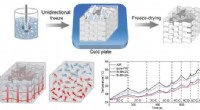
3. Freeze-Thaw Cycles:
* Water in Cracks: Water seeps into cracks and crevices in rocks.
* Freezing and Expansion: When water freezes, it expands by about 9%. This expansion puts pressure on the rock around it.
* Repeated Cycles: Repeated freeze-thaw cycles can cause the rock to weaken and flake off.
4. Chemical Weathering:
* Acid Rain: Acid rain can dissolve certain minerals in rocks, creating weak spots that can flake off.
* Salt Crystallization: Salt crystals can form in the pores of rocks, and as they grow, they can exert pressure that causes the rock to flake.
5. Biological Activity:
* Plant Roots: Plant roots can grow into cracks in rocks and, as they grow larger, they can exert pressure that causes the rock to flake off.
* Animals: Some animals, like burrowing rodents, can create cracks in rocks that can lead to flaking.
Examples of Exfoliation:
* Granite Domes: The iconic granite domes of Yosemite National Park are a prime example of exfoliation.
* Rock Outcrops: You can see exfoliation happening on many rock outcrops around the world.
It's important to note: Exfoliation can happen over long periods of time, making it a slow process. It can be difficult to notice happening in real-time, but you can see its effects in the layered appearance of many rocks.