Key elements of erosion:
* Wearing away: This involves the detachment of soil, rock, or other materials from the Earth's surface.
* Transportation: The detached materials are then moved to a different location by natural forces.
Examples of erosion:
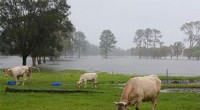
* Water erosion: Rain, rivers, and ocean waves carve out valleys, canyons, and coastlines.
* Wind erosion: Wind can pick up and transport sand and dust, creating sand dunes and shaping deserts.
* Ice erosion: Glaciers carve out valleys and transport large rocks, shaping mountainous landscapes.
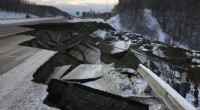
* Gravity erosion: Landslides and rockfalls are examples of erosion driven by gravity.
Why is erosion important to understand?
* Landscape formation: Erosion shapes the Earth's features over millions of years.
* Environmental impact: Erosion can lead to soil loss, sedimentation of waterways, and damage to infrastructure.
* Human activities: Human activities like farming, deforestation, and construction can accelerate erosion.
In short, erosion is the process of breaking down and moving Earth's surface materials, playing a vital role in shaping our planet and impacting our environment.