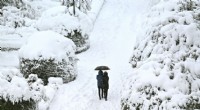
1. More snowfall than melt: The primary requirement is a consistent surplus of snowfall over melt. This means that the amount of snow accumulating in a given area must exceed the amount lost through melting, evaporation, and sublimation. This allows the snow to accumulate and compact into glacial ice.
2. Sufficiently cold temperatures: The temperatures must be consistently below freezing for extended periods to prevent the snow from melting completely. These frigid temperatures are crucial for the process of snow transforming into ice.
Let me know if you'd like more details on these conditions!