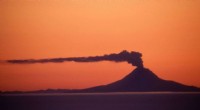
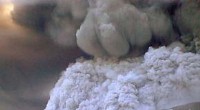
* Magma: Molten rock found beneath the Earth's surface.
* Cooling Magma: As magma rises towards the surface or cools in place, it loses heat. This causes the chemical components within the magma to start crystallizing.
* Minerals: Naturally occurring, solid, inorganic substances with a specific chemical composition and a definite crystalline structure.
Common Minerals Formed From Cooling Magma:
* Feldspars: The most abundant group of minerals in the Earth's crust. They come in various forms like orthoclase, plagioclase, and albite.
* Quartz: A hard, durable mineral composed of silicon dioxide (SiO2).
* Micas: Sheet silicate minerals like biotite and muscovite, known for their perfect cleavage.
* Amphiboles: Chain silicate minerals such as hornblende and actinolite.
* Pyroxenes: Another group of chain silicate minerals including augite and enstatite.
* Olivine: A green silicate mineral found in mafic and ultramafic rocks.
* Garnet: A group of silicate minerals known for their beautiful colors and hardness.
The Process of Crystallization:
As magma cools, the chemical bonds between atoms become stronger, and they start to arrange themselves in specific, repeating patterns, forming crystals. The specific minerals that form depend on the chemical composition of the magma and the rate at which it cools.
Igneous Rocks:
The solidified rock that results from the cooling and crystallization of magma is called igneous rock. The type of igneous rock depends on the minerals it contains and their arrangement, which are ultimately determined by the composition and cooling history of the magma.