Paleoclimatology:
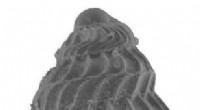
* Past climate change: Sediment cores provide a detailed record of climate change over millions of years. Analyzing isotopes, foraminifera (microscopic fossils), and other indicators helps reconstruct past temperatures, precipitation, ice volume, and ocean circulation.
* Past atmospheric composition: Cores reveal the history of atmospheric CO2 and other greenhouse gases, helping scientists understand how natural cycles and human activity affect climate.
* Climate forcing: Cores can identify past natural climate forcing events (e.g., volcanic eruptions, solar variations) and their impact on the climate system.
Paleoceanography:
* Ocean circulation patterns: Sediment cores contain fossils and other indicators of ocean currents, salinity, and nutrient distribution, helping scientists understand how ocean circulation has changed over time.
* Sea level changes: Cores reveal the history of sea level fluctuations, including past glacial-interglacial cycles.
* Ocean productivity: Sediment cores can reveal the past productivity of ocean ecosystems, providing insights into the role of marine life in the carbon cycle.
Biostratigraphy:
* Evolution and extinction: Fossils in sediment cores provide evidence for the evolution of marine organisms and the timing of major extinction events.
* Biogeographic patterns: Cores help scientists understand how marine species have distributed over time and space, revealing patterns of migration and adaptation.
Geochemistry:
* Elemental cycling: Sediment cores reveal the history of the Earth's chemical composition, including the cycling of elements such as carbon, nitrogen, and phosphorus.
* Tectonics and plate movements: Cores provide information about the movement and interactions of tectonic plates, including the formation of mountains and ocean basins.
* Past volcanic activity: Sediment cores can contain volcanic ash layers, helping scientists reconstruct the timing and intensity of past volcanic eruptions.
Human history and archaeology:
* Past human activity: Sediment cores can contain archaeological artifacts, human remains, and pollen evidence of past human settlements and activities.
* Climate and human interaction: Cores provide insights into how climate change has affected human societies throughout history.
Environmental science:
* Pollution and contamination: Cores can reveal the history of pollution and contamination in the ocean, providing information about the impact of human activities on the environment.
* Oceanographic processes: Sediment cores are used to study various oceanographic processes, such as sediment transport, deposition, and erosion.
Overall, deep-sea sediment cores are invaluable tools for understanding the Earth's history, climate system, and the evolution of life. They provide a unique and powerful record of past events that allows scientists to make predictions about future changes and to understand the interconnectedness of our planet's systems.