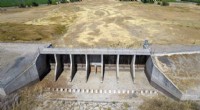
1. Surface Environments:
* Riverbeds and Floodplains: Rivers constantly erode and transport sediment, depositing it in layers along their banks and in floodplains. This creates sedimentary rocks like sandstone, conglomerate, and shale.
* Lakes: Calm lakes act as settling basins for fine-grained sediment, forming limestone, shale, and mudstone.
* Deserts: Wind erosion and deposition create dunes of sand, which can eventually solidify into sandstone.
* Beaches and Coastlines: Wave action and currents transport sand and other sediment to beaches, forming sandstone and conglomerate.
* Swamps and Marshes: Wetlands accumulate organic material and fine-grained sediment, forming coal, limestone, and shale.
2. Underwater Environments:
* Ocean Floor: Deep ocean basins accumulate vast amounts of sediment from rivers, volcanoes, and marine organisms, forming limestone, shale, and sandstone.
* Continental Shelves: Shallow areas of the ocean floor are heavily influenced by waves and currents, creating diverse sedimentary rocks.
* Reefs: Coral reefs and other marine organisms produce large amounts of calcium carbonate, forming limestone.
3. Ancient Environments:
* Fossil Beds: Fossils are commonly found in sedimentary rocks because they form in environments where organisms are buried and preserved.
* Rock Formations: Sedimentary rocks often form layers, or strata, that can be seen in cliff faces, canyons, and other geological formations.
Key Points to Remember:
* Sedimentary rocks form from the accumulation and cementation of sediment.
* They are found in a wide variety of environments, both present and past.
* They often contain fossils, which provide valuable information about Earth's history.
Let me know if you have any other questions about sedimentary rocks!