Internal Forces:
* Plate Tectonics: This is the driving force behind many of Earth's largest features. The Earth's crust is broken into large plates that move slowly over the mantle.
* Convergent Boundaries: Where plates collide, mountains are formed (like the Himalayas), volcanoes erupt, and trenches are created (like the Mariana Trench).
* Divergent Boundaries: Where plates pull apart, new crust is formed, leading to mid-ocean ridges and volcanic activity.
* Transform Boundaries: Where plates slide past each other, earthquakes are common.
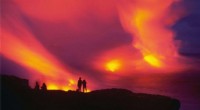
* Volcanism: Molten rock (magma) from the Earth's interior rises to the surface, erupting as lava and forming volcanoes, lava flows, and volcanic plateaus.
* Tectonic Uplift: The slow, gradual movement of tectonic plates can uplift landmasses over millions of years, forming plateaus, mountain ranges, and other large-scale features.
External Forces:
* Weathering: The breakdown of rocks, soil, and minerals through processes like:
* Physical Weathering: Caused by mechanical forces like freezing/thawing, abrasion, and plant roots.
* Chemical Weathering: Caused by chemical reactions like acid rain, oxidation, and hydrolysis.
* Erosion: The transportation of weathered material by forces like:
* Water: Rivers, streams, waves, and glaciers can carve canyons, valleys, and coastlines.
* Wind: Wind can transport sand, dust, and soil, creating dunes, loess deposits, and wind-carved rock formations.
* Ice: Glaciers can carve out valleys, create lakes, and transport rocks and sediment.
* Climate: Climate plays a significant role in shaping Earth's features, influencing weathering and erosion processes. For example, deserts experience intense wind erosion, while tropical regions are prone to heavy rainfall and rapid weathering.
* Gravity: Gravity plays a role in the erosion of mountains, the flow of water, and the movement of sediment.
Other Factors:
* Biological Activity: Plants and animals can influence landforms through processes like root growth, burrowing, and the accumulation of organic matter.
* Human Activity: Humans can significantly alter Earth's features through activities like mining, farming, and construction.
These forces work together over long periods of time to shape the dynamic and diverse landscape we see today.