1. New Oceanic Crust: This is the most significant feature. As plates separate, magma rises from the mantle and erupts onto the ocean floor, solidifying into new basalt rock. This process continuously creates new oceanic crust, widening the ocean basin.
2. Mid-Ocean Ridges: These are underwater mountain ranges formed by the accumulation of new crust. They are characterized by a central rift valley, where the plates are actively separating.
3. Hydrothermal Vents: These are openings in the ocean floor where heated water, rich in dissolved minerals, is released from the hot magma below. These vents create unique ecosystems that thrive on chemosynthesis, not photosynthesis.
4. Rift Valleys: These are deep valleys that form on land when continental plates pull apart. The East African Rift Valley is a prominent example.
5. Volcanoes: Volcanic activity is common along spreading boundaries, both underwater and on land. The eruption of magma creates volcanoes, often in chains along the rift.
6. Earthquakes: As plates move apart, they create stresses and fractures in the surrounding rock, resulting in frequent earthquakes.
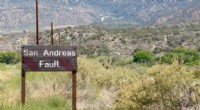
7. Fault Zones: The separation of plates creates numerous faults, which are fractures in the Earth's crust. These faults are responsible for the movement of the plates.
8. Magnetic Stripes: As new oceanic crust forms, the magnetic minerals within it align with the Earth's magnetic field. Since the Earth's magnetic field periodically reverses, this process creates alternating stripes of magnetic polarity on the ocean floor, providing evidence of seafloor spreading.
In summary, the rifts of spreading boundaries are dynamic areas where new crust is formed, volcanoes erupt, earthquakes occur, and unique ecosystems thrive.