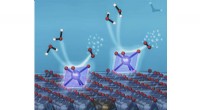
1. Dissolution:
* Carbonic acid is formed when carbon dioxide from the atmosphere dissolves in rainwater. This creates a weak acid that can react with the calcium carbonate (CaCO3) present in carbonate rocks.
* The reaction between carbonic acid and calcium carbonate forms calcium bicarbonate (Ca(HCO3)2), a soluble compound that can be dissolved in water and carried away.
* This process is called dissolution, and it leads to the breakdown and erosion of the rock.
2. Karst Topography:
* The dissolution of limestone by carbonic acid is responsible for the formation of karst topography. This includes features like caves, sinkholes, and underground drainage systems.
* When rainwater percolates through limestone, it dissolves the rock, creating cavities and eventually caves. Sinkholes form when the roof of an underground cave collapses.
3. Other Effects:
* Carbonic acid can also weather other types of rocks, albeit to a lesser extent. For example, it can contribute to the breakdown of feldspar in granite.
* The rate of weathering by carbonic acid is influenced by factors like temperature, precipitation, and the presence of other acids.
In summary, carbonic acid is a powerful weathering agent that primarily affects carbonate rocks. Its dissolution process leads to the breakdown of these rocks, contributing to the formation of unique landforms like karst topography. This process is an important part of the natural rock cycle and contributes to the ongoing shaping of the Earth's surface.