1. Sculptural Effects:
* Water Erosion: Rivers carve out valleys, canyons, and gorges. The flow of water can also create meanders, waterfalls, and oxbow lakes. Rainwater can cause sheet erosion, rills, and gullies, gradually wearing down hillsides.
* Wind Erosion: Wind can pick up and transport sand and dust, creating sand dunes, loess deposits (wind-blown silt), and other features. It can also erode rock formations, carving out hoodoos and other unique shapes.
* Glacial Erosion: Massive glaciers can carve out valleys (U-shaped), create fjords, and deposit moraines (piles of rock and sediment) as they move.
2. Transportation and Deposition:
* Sediment Transport: Erosion doesn't just wear things away; it moves the eroded material. Rivers carry sediment downstream, eventually depositing it in deltas, beaches, or floodplains. Wind transports sand and dust, creating sand dunes and loess deposits. Glaciers transport rocks and sediment, depositing them as moraines when they melt.
* Landform Creation: The deposited sediment can create new landforms, like deltas, beaches, sand dunes, and moraines. These landforms can provide habitats for plants and animals, and can also influence the flow of water and wind.
3. Landscape Changes Over Time:
* Erosion is a continuous process. It's happening all the time, even if we don't always see it. Over millions of years, erosion can completely reshape a landscape.
* The rate of erosion can vary greatly. It can be very slow, taking thousands or even millions of years to have a noticeable impact, or it can be very rapid, like during a flash flood or a strong windstorm.
Examples of Erosional Features:
* Grand Canyon: Carved by the Colorado River over millions of years.
* The Great Sand Dunes National Park and Preserve: Wind-blown sand creates giant sand dunes.
* Fjords in Norway: Deep, narrow inlets carved by glaciers.
* The Badlands National Park: Rapid erosion by wind and water has created a dramatic landscape of canyons, pinnacles, and buttes.
Erosion and Human Impacts:
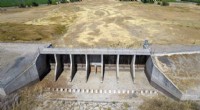
* Human activities can accelerate erosion. Deforestation, agriculture, and construction can all increase the rate of erosion, leading to soil loss, sedimentation in waterways, and even landslides.
* Erosion control measures are often necessary to protect land and infrastructure from erosion. These measures can include planting vegetation, building retaining walls, and using other methods to slow down the rate of erosion.
Overall, erosion is a complex process that plays a vital role in shaping our planet's landscapes. Understanding erosion helps us appreciate the dynamic nature of our environment and the importance of responsible land management.