Here's a breakdown of the key ideas:
* Earth's outer layer is broken into large plates: These plates are called tectonic plates, and they are constantly moving.
* The plates float on a semi-molten layer: This layer is called the asthenosphere, and it behaves like a very viscous fluid.
* Plate movement is driven by convection currents: Heat from the Earth's core creates convection currents in the asthenosphere, which drag the plates along.
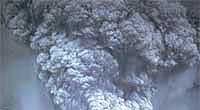
* Plate interactions cause geological events: When plates collide, they can form mountains, volcanoes, or earthquakes. When they move apart, they can create mid-ocean ridges and rift valleys.
In summary: Plate tectonics is the unifying theory of geology, explaining the movement of continents, the formation of mountains and volcanoes, and the occurrence of earthquakes.