1. Density Differences:
* Magma is less dense than surrounding rock: Magma is made of molten rock, which is less dense than the solid rock it originates from. This density difference creates a buoyant force that pushes the magma upwards. Think of a hot air balloon – the hot air inside is less dense than the surrounding air, causing the balloon to rise.
2. Pressure Differences:
* Pressure decreases with depth: The deeper you go into the Earth, the higher the pressure. This pressure compresses the rock and makes it denser. As magma rises, it moves towards areas of lower pressure, which further contributes to its upward movement.
3. Plate Tectonics:
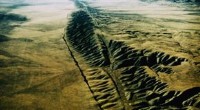
* Subduction zones: When tectonic plates collide, one plate can slide beneath the other (subduction). This process forces the subducted plate down into the mantle, where it melts and forms magma. The magma then rises due to buoyancy and pressure differences.
* Mid-ocean ridges: At mid-ocean ridges, new oceanic crust is created. This process involves the upwelling of magma from the mantle, which then cools and solidifies to form new crust.
4. Thermal Expansion:
* Magma heats surrounding rock: As magma rises, it heats the surrounding rock, causing it to expand. This expansion creates additional space for the magma to move upward.
5. Gas Pressure:
* Volcanic gases: Magma contains dissolved gases, which can increase the pressure within the magma chamber. This increased pressure can force magma upwards towards the surface.
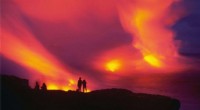
In essence, the combination of these factors creates a powerful force that propels magma upwards, leading to volcanic eruptions and the formation of new landforms.