Igneous Rocks:
* Granite: This is the most abundant rock type in the continental crust, formed from the cooling and solidification of magma.
* Diorite: A darker, denser igneous rock similar to granite, also formed from magma.
* Gabbro: A dark, dense igneous rock formed from the cooling and solidification of mafic magma, found in deeper layers of the continental crust.
Metamorphic Rocks:
* Gneiss: A metamorphic rock derived from granite, often containing bands of light and dark minerals.
* Schist: A metamorphic rock characterized by a foliated texture, formed from sedimentary or igneous rocks subjected to high pressure and temperature.
* Marble: A metamorphic rock derived from limestone, often used for building and sculpture.
* Quartzite: A metamorphic rock derived from sandstone, extremely hard and resistant to weathering.
Sedimentary Rocks:
* Sandstone: Formed from the accumulation and cementation of sand grains.
* Limestone: Formed from the accumulation of shells and other marine organisms.
* Shale: Formed from the accumulation and compaction of clay.
Other Notable Components:
* Minerals: The rocks of the continental crust are composed of various minerals, including quartz, feldspar, mica, and amphibole.
* Trace Elements: These are found in small amounts but play important roles in the chemical composition of the crust.
Key Characteristics of the Continental Crust:
* Low density: Compared to oceanic crust, continental crust is less dense, allowing it to "float" higher on the mantle.
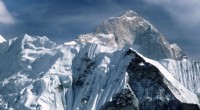
* Thick and variable: The continental crust ranges in thickness from around 35 to 70 kilometers, with the thickest sections found under mountain ranges.
* Older: Continental crust is generally older than oceanic crust, with some sections dating back billions of years.
* Compositionally heterogeneous: Due to its long history of geological activity, the continental crust is highly variable in composition.
The continental crust is a dynamic and complex part of the Earth, constantly evolving through geological processes like plate tectonics, volcanism, and erosion.