Erosion: The Process
Erosion is a natural process where wind, water, ice, and gravity wear down and carry away rock, soil, and other materials. It's a constant process that shapes our planet.
Factors Affecting Erosion Rate:
* Climate: Dry, windy areas experience higher wind erosion. Wet, rainy areas see more water erosion.
* Topography: Steep slopes lead to faster erosion than flat land.
* Vegetation: Plants help hold soil in place, so areas with lots of plants have lower erosion rates.
* Human Activity: Activities like deforestation, farming, and construction can significantly increase erosion.
What Makes a Low Rate of Erosion?
* Stable Landforms: Areas with gradual slopes and strong rock formations experience less erosion.
* Plenty of Vegetation: Dense forests, grasslands, and even carefully managed farmland act as natural buffers against erosion.
* Minimal Human Disturbance: Untouched areas with minimal human impact tend to have low erosion rates.
Why is Low Erosion Important?
* Soil Preservation: Low erosion means the soil is staying where it belongs, which is crucial for agriculture and healthy ecosystems.
* Water Quality: Erosion carries sediment into waterways, polluting them and harming aquatic life. Low erosion means cleaner water.
* Biodiversity: Healthy soil supports a diverse range of plants and animals. Low erosion helps maintain that diversity.
Examples of Low Erosion:
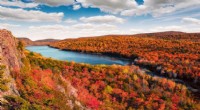
* Forests: The dense tree canopy and root systems hold the soil in place, leading to low erosion.
* Unpopulated areas: Remote deserts and mountainous regions often have low erosion because they are relatively undisturbed by humans.
* Well-managed farms: Farmers who use erosion control techniques, like contour farming and crop rotation, can significantly reduce erosion.
Let me know if you'd like to explore specific examples of low erosion or learn more about how to prevent erosion!