1. Plate Movement: The Earth's outer layer (the lithosphere) is broken into massive plates that constantly move and interact with each other.
2. Divergent Boundaries: At divergent boundaries, plates move apart. This creates gaps where molten rock from the Earth's mantle rises to the surface. This molten rock cools and solidifies, forming new oceanic crust. This process is called seafloor spreading.
3. Convergent Boundaries: At convergent boundaries, plates collide. One plate can slide beneath another (subduction), which melts the sinking plate. This molten rock rises and can erupt as volcanoes. The process also leads to the creation of mountains.
4. Transform Boundaries: At transform boundaries, plates slide past each other horizontally. This can cause earthquakes but doesn't typically create new crust.
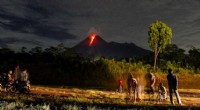
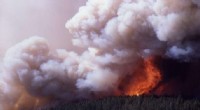
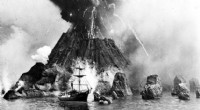
Volcanic Activity is just one of the ways that new crust is formed. It's primarily associated with divergent boundaries and subduction zones.
In summary: The Earth's crust is not continuously formed by volcanic activity alone. It's a dynamic process driven by plate tectonics, with volcanic activity playing a significant role in creating new crust at specific locations.