The journey of rock fragments from a mountain to become sand, silt, and clay hundreds of miles away is a fascinating process driven by the forces of weathering, erosion, and transportation:
1. Weathering: Breaking Down the Mountain
* Physical Weathering: This involves the mechanical breakdown of rocks without changing their chemical composition.
* Frost Wedging: Water seeps into cracks, freezes, expands, and widens the cracks, eventually breaking the rock.
* Thermal Expansion/Contraction: Extreme temperature changes cause rocks to expand and contract, leading to stress and eventual fracturing.
* Abrasion: Rocks collide with each other, grinding them down into smaller fragments.
* Chemical Weathering: This involves the chemical alteration of rocks, changing their composition and weakening them.
* Oxidation: Iron in rocks reacts with oxygen, forming rust and weakening the rock.
* Hydrolysis: Water reacts with minerals in rocks, breaking them down into new substances.
* Carbonation: Carbon dioxide dissolves in rainwater to form carbonic acid, which can dissolve certain minerals in rocks.
2. Erosion: Removing the Fragments
* Gravity: The force of gravity pulls weathered rock fragments downhill.
* Wind: Wind can pick up and carry smaller fragments, especially sand.
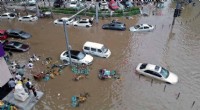
* Water: Moving water in rivers, streams, and oceans is a powerful erosive force, transporting larger and smaller fragments depending on the water's speed and volume.
* Glaciers: Giant sheets of ice can carve valleys and transport large boulders, leaving behind a trail of eroded rock.
3. Transportation: The Journey Begins
* Rivers: Carrying sand, silt, and clay downstream, transporting them over long distances.
* Wind: Transporting fine sand and dust particles over hundreds or even thousands of miles.
* Oceans: Carrying sediments from rivers and coastlines, depositing them on the ocean floor.
* Glaciers: Moving slowly, carrying large boulders and finer sediments, depositing them in new locations as they melt.
4. Deposition: Settling Down
* Rivers: As a river slows down, it loses energy, causing the sediments it carries to settle out. Coarser sediments like sand are deposited first, followed by silt and clay.
* Wind: As wind slows down, it loses its carrying capacity, depositing sand dunes and loess (fine silt) deposits.
* Oceans: Sediments carried by rivers and currents settle on the ocean floor, creating layers of sand, silt, and clay over time.
* Glaciers: As glaciers melt, they leave behind piles of unsorted sediment called till, containing everything from boulders to fine clay.
5. Compaction and Cementation: Becoming Rock Again
* Over time, layers of sediment are buried by more sediment, leading to compaction - the weight of overlying layers squeezes out water and air from the sediment.
* Dissolved minerals in the water precipitate between the sediment particles, cementing them together and forming sedimentary rocks like sandstone, siltstone, and shale.
The journey of rock fragments from a mountain to sedimentary rocks can take thousands of years and cover hundreds of miles. It is a continuous cycle of weathering, erosion, transportation, deposition, and lithification that shapes our landscapes and provides us with valuable resources.