1. Atmosphere:
* Description: The atmosphere is the layer of gases that surrounds the Earth. It's held in place by gravity and is vital for life on Earth.
* Composition: The atmosphere is primarily composed of nitrogen (78%), oxygen (21%), and argon (1%). It also contains trace amounts of other gases like carbon dioxide, neon, helium, and methane.
* Functions: The atmosphere protects us from harmful solar radiation, regulates temperature, and provides the air we breathe. It also plays a role in weather patterns and climate change.
2. Hydrosphere:
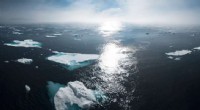
* Description: The hydrosphere is the collective mass of water found on, above, and below the surface of the Earth. This includes oceans, lakes, rivers, groundwater, ice, and water vapor.
* Composition: The hydrosphere is primarily made up of water, but it also contains dissolved minerals and salts.
* Functions: The hydrosphere is essential for life, providing water for drinking, agriculture, and industry. It also plays a crucial role in regulating Earth's climate and weather.
3. Geosphere:
* Description: The geosphere is the solid, non-living part of the Earth, including the crust, mantle, and core.
* Composition: The crust is composed of various rocks and minerals. The mantle is primarily composed of silicate rocks, while the core is made up of iron and nickel.
* Functions: The geosphere provides the land we live on and the resources we use. It also plays a role in the movement of tectonic plates, which can cause earthquakes and volcanic eruptions.
4. Biosphere:
* Description: The biosphere is the part of the Earth where life exists. It includes all living organisms, from microscopic bacteria to giant sequoia trees.
* Composition: The biosphere is incredibly diverse, with millions of species of plants and animals.
* Functions: The biosphere is essential for maintaining the balance of Earth's ecosystems. It provides food, oxygen, and other essential resources.
Key Relationships:
These four parts of the Earth are interconnected and constantly interact with each other. For example, the atmosphere interacts with the hydrosphere through the water cycle, while the biosphere depends on the atmosphere for oxygen and the geosphere for minerals and nutrients.