1. Landforms:
* Mountains: Plate collisions (convergent boundaries) create the most dramatic landforms, pushing up mountain ranges like the Himalayas and the Andes. The process of folding and faulting also contributes to the formation of smaller mountains and hills.
* Volcanoes: Subduction zones (where one plate slides under another) create ideal conditions for volcanic activity. Volcanic mountains and islands like the Hawaiian Islands and Mount Fuji are prime examples.
* Rift Valleys: Where plates pull apart (divergent boundaries), the Earth's crust thins and can crack, forming valleys like the Great Rift Valley in Africa.
* Ocean Trenches: Deepest parts of the ocean form where one plate subducts beneath another.
* Mid-Ocean Ridges: Underwater mountain ranges are formed at divergent boundaries where new oceanic crust is created.
2. Climate and Weather:
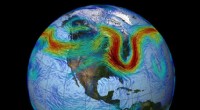
* Ocean Currents: Plate movement influences ocean currents, affecting the distribution of heat and moisture around the globe. This has a direct impact on weather patterns and regional climates.
* Mountain Ranges: Mountain ranges can act as barriers to air movement, leading to rain shadow effects and distinct climates on opposite sides of the range.
* Volcanic Activity: Large volcanic eruptions can release massive amounts of ash and gases into the atmosphere, potentially affecting global temperatures and weather patterns.
3. Distribution of Resources:
* Mineral Deposits: Plate tectonics plays a critical role in the formation of mineral deposits, often found at plate boundaries. Examples include copper, gold, and iron ore.
* Fossil Fuels: Plate movement influences the formation of sedimentary basins, which are key locations for the accumulation of fossil fuels like oil and natural gas.
4. Natural Disasters:
* Earthquakes: The movement of plates along fault lines is the primary cause of earthquakes, with devastating consequences for human populations.
* Tsunamis: Underwater earthquakes or volcanic eruptions can cause massive waves called tsunamis, which can cause widespread destruction in coastal areas.
5. Shaping Continents:
* Continental Drift: Over millions of years, the movement of tectonic plates has reshaped continents, leading to their current positions and shapes.
In summary:
Plate tectonics is the driving force behind a vast array of physical geographic processes. It shapes our mountains, valleys, and coastlines, influences our climate, and even determines the location of valuable natural resources. Understanding plate tectonics is essential for grasping the dynamic nature of our planet and its ever-evolving landscape.