1. Exploration and Discovery:
* Geophysical surveys: Techniques like seismic imaging are used to identify potential underground rock formations where petroleum might be trapped.
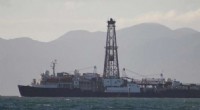
* Drilling exploratory wells: Small-diameter wells are drilled to confirm the presence and volume of oil or gas.
2. Well Construction and Completion:
* Drilling production wells: Larger-diameter wells are drilled to extract the oil and gas.
* Well completion: The well is equipped with various components like tubing, casing, and packers to control the flow and prevent contamination.
3. Production Methods:
* Primary production: Natural pressure from the reservoir drives the oil and gas to the surface. This is the most efficient method but declines quickly over time.
* Secondary recovery: Techniques like waterflooding or gas injection are used to enhance reservoir pressure and push out more oil.
* Tertiary recovery: More advanced methods like chemical injection or thermal recovery are used to extract even more oil from the reservoir.
4. Flow to the Surface:
* Flowing wells: In some cases, the natural pressure is sufficient to bring the oil and gas to the surface without artificial pumping.
* Pumping: When natural pressure declines, pumps are used to lift the oil and gas to the surface.
* Artificial lift methods: Various methods like gas lift, electric submersible pumps, and hydraulic pumps are employed to increase the rate of oil and gas production.
5. Separation and Processing:
* Separation: At the surface, the oil, gas, and water are separated based on their densities.
* Processing: The oil and gas are further processed to remove impurities and prepare them for transportation and use.
In summary, the process of moving petroleum to the surface involves:
* Identifying and accessing the reservoir: This involves exploration and drilling.
* Utilizing pressure to push the oil and gas upwards: This can be natural pressure, artificial pressure, or a combination of both.
* Bringing the fluids to the surface: This can be through flowing wells or artificial lift methods.
* Separating and processing the oil and gas: This involves removing impurities and preparing the fluids for transportation and use.
The specific methods used to extract petroleum vary depending on factors like the type of reservoir, depth, and the physical properties of the oil and gas.