1. Plate Tectonics:
* Collision Zones: When two tectonic plates collide, the denser plate is forced under the less dense plate (subduction). This process can cause the less dense plate to buckle and fold, creating mountains. The Himalayas, for instance, were formed by the collision of the Indian and Eurasian plates.
* Continental-Continental Collisions: When two continental plates collide, they push against each other, creating folds and thrust faults that result in mountain ranges. The Appalachian Mountains in North America are a prime example of this.
2. Volcanic Activity:
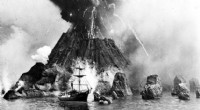
* Volcanoes: Volcanic eruptions can create mountains by piling up lava and ash over time. Mount Fuji in Japan and Mount Kilimanjaro in Africa are examples of volcanic mountains.
* Subduction Zones: Volcanoes often form along subduction zones where the subducting plate melts, leading to magma rising to the surface.
3. Erosion and Weathering:
* Weathering: Over time, wind, rain, and ice can wear down mountains, but they can also contribute to their formation by carving out valleys and canyons.
* Erosion: The material eroded from mountains can be deposited in other areas, forming new landforms, such as alluvial fans and deltas.
4. Uplift and Faulting:
* Uplift: The Earth's crust can be uplifted due to tectonic forces, pushing up landmasses and creating mountains.
* Faulting: When the Earth's crust breaks and moves along a fault line, it can create mountains and valleys.
5. Isostasy:
* Isostasy refers to the balance of forces between the Earth's crust and the mantle. This balance can cause areas of the Earth's crust to rise or sink, contributing to mountain formation.
In summary, mountains are formed through a complex interplay of geological forces, including plate tectonics, volcanic activity, erosion, weathering, uplift, and faulting. These forces act over millions of years to create the dramatic and varied mountain landscapes we see around the world.