Here's why:
* Buoyancy: Magma is less dense than the solid rock surrounding it. This difference in density creates a buoyant force, similar to how a balloon filled with helium rises in the air. The buoyant force pushes the magma upwards.
* Pressure Differences: The pressure within the Earth increases with depth. As magma rises, it moves into areas of lower pressure, causing it to expand. This expansion further reduces its density, increasing its tendency to rise.
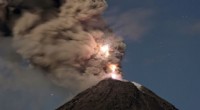
* Volcanic Eruptions: The rising magma eventually reaches the surface, leading to volcanic eruptions.
It's important to note that while buoyancy is the primary driver, other factors like tectonic plate movements and the presence of fractures in the Earth's crust can also contribute to magma's ascent.