1. Weathering: This is the breakdown of rock into smaller pieces.
* Physical Weathering: Mechanical forces break rocks apart.
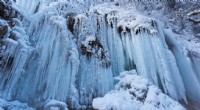
* Frost Wedging: Water seeps into cracks, freezes, expands, and widens the cracks.
* Thermal Expansion: Rocks expand and contract due to temperature changes, causing stress and eventually breakage.
* Abrasion: Rocks and sediment carried by wind, water, or ice grind against the mountain, wearing it down.
* Biological Weathering: Plant roots, burrowing animals, and even lichen can contribute to rock breakdown.
* Chemical Weathering: Chemical reactions alter the composition of rocks, making them weaker and easier to erode.
* Acid Rain: Acidic rain reacts with some minerals in rocks, dissolving them.
* Oxidation: Iron in rocks reacts with oxygen, forming rust and weakening the rock.
* Hydrolysis: Water reacts with minerals in rocks, breaking them down.
2. Mass Wasting: This refers to the downslope movement of rock and soil due to gravity.
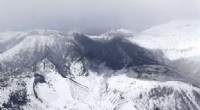
* Landslides: Rapid, large-scale movement of rock, soil, and debris down a slope.
* Creep: Slow, continuous movement of soil and rock downslope.
* Debris Flows: Rapid flows of mud, water, and debris, often triggered by heavy rain.
3. Erosion by Water: Moving water is a powerful force of erosion.
* Rivers: Carve valleys and canyons, transporting sediment downstream.
* Rain: Erodes soil and rock, creating gullies and washes.
* Glaciers: Huge masses of ice that carve out valleys, transport rocks, and deposit sediment.
4. Erosion by Wind: Wind can transport sand and dust, eroding and sculpting rock formations.
* Sandblasting: Wind-borne sand particles erode rock surfaces.
* Deflation: Wind removes loose sediment, exposing underlying rock.
5. Erosion by Ice: Glaciers are powerful agents of erosion.
* Plucking: Glaciers freeze to rock, and as they move, they pull pieces away.
* Abrasion: Rock fragments embedded in the glacier grind against the bedrock, smoothing and polishing it.
The Result: These processes work together to constantly shape and reshape mountains. The process is slow, taking thousands or even millions of years, but over time mountains are worn down and eventually become hills, plains, or even underwater features.