1. Erosion:
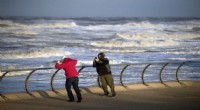
* Wave Action: The relentless pounding of waves against the cliffs is the primary force of erosion. This force can wear away rock, creating sea caves, arches, and eventually causing the cliffs to retreat.
* Rainfall: Rainwater is acidic and can break down rock over time, particularly sandstone and shale. This process is known as chemical weathering.
* Wind: Strong winds carry sand and other abrasive particles that can sandblast the cliffs, further eroding them.
2. Deposition:
* Sediment Transport: Erosion produces sediment (sand, gravel, rock fragments) which is transported by waves, currents, and wind. These sediments are deposited in various locations, forming beaches, sand dunes, and coastal terraces.
* Landslides and Rockfalls: These events can occur when the cliff faces are unstable due to erosion. The material that falls down is deposited at the base of the cliff, building up the beach or creating talus slopes.
3. Weathering:
* Physical Weathering: This involves the breakdown of rock into smaller pieces without changing its chemical composition. Examples include:
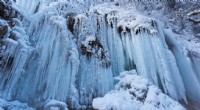
* Frost Wedging: Water seeps into cracks in the rock, freezes, expands, and breaks the rock apart.
* Thermal Expansion and Contraction: Daily temperature fluctuations cause rock to expand and contract, which can lead to fracturing.
* Chemical Weathering: This process involves the chemical alteration of rock minerals. Examples include:
* Oxidation: Iron minerals in rock react with oxygen, forming rust and weakening the rock.
* Dissolution: Rainwater containing dissolved carbon dioxide can dissolve certain minerals, particularly limestone.
In summary:
The Big Sur cliffs are sculpted by the constant interplay of erosion, deposition, and weathering:
* Erosion breaks down the cliffs, creating dramatic features.
* Deposition adds new material to the coastline, shaping beaches and terraces.
* Weathering weakens the rock, making it more susceptible to erosion.
This dynamic process continues to shape the Big Sur landscape, creating a constantly evolving and breathtaking spectacle.