1. Plate Tectonics: The Ultimate Engine
* Collision Zones: When two continental plates collide, the immense pressure forces the land upward. Think of it like a giant rug being pushed together, creating wrinkles and folds. These folds can form towering mountain ranges, like the Himalayas, formed by the collision of the Indian and Eurasian plates.
* Subduction Zones: When an oceanic plate dives beneath a continental plate (subduction), the denser oceanic plate melts in the Earth's mantle. This molten rock rises and erupts as volcanoes, which can eventually build into mountain ranges. The Andes Mountains in South America are a prime example.
2. Volcanic Activity: Mountains From Below
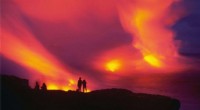
* Eruptions and Accumulations: Over time, repeated volcanic eruptions build up layers of lava, ash, and rock, forming cones that rise to become mountains. Volcanic islands, like Hawaii, are formed this way.
* Calderas: Giant volcanic craters, called calderas, can form when a volcano collapses after a massive eruption. These depressions can later be filled with water or become fertile valleys surrounded by steep volcanic walls, creating mountainous landscapes.
3. Uplift and Erosion: Shaping the Landscape
* Isostatic Rebound: The Earth's crust is in a constant state of equilibrium. When glaciers melt or massive amounts of sediment are eroded, the underlying crust can rebound upward, causing plains to rise slightly. While this is a slow process, it can contribute to the formation of hills and even low mountains over time.
* Erosion: While erosion is usually associated with wearing down mountains, it can also play a role in their creation. As rivers cut through plains, they carve deep valleys, leaving the surrounding land elevated. Over millions of years, these valleys can become canyons and the surrounding land can become mountains.
Important Considerations
* Time: Mountain formation is a process that takes millions of years. The forces involved work slowly but steadily, shaping the Earth's surface over vast spans of time.
* Scale: The size and height of mountains vary significantly. Some mountains are relatively small, while others, like Mount Everest, tower over all others.
* Diversity: Mountains can be formed through different geological processes, resulting in a wide range of shapes, sizes, and compositions.
In short, the transformation from a plain to a mountain is a complex geological process driven by the powerful forces of plate tectonics, volcanic activity, and the relentless cycle of uplift and erosion.