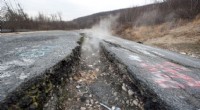
Restoring land after underground mining is a complex and multifaceted process that involves various steps, often requiring decades to see full recovery. Here's a breakdown of the key aspects:
1. Assessment and Planning:
* Initial site assessment: This includes identifying the extent of disturbance, analyzing soil and water quality, and understanding the local ecosystem and its potential for recovery.
* Development of a reclamation plan: This plan outlines the specific steps for restoring the site, considering the specific environmental and social impacts of the mining activity.
2. Site Preparation:
* Stabilizing and preparing the site: This might involve filling in mine shafts and tunnels, removing debris and contaminated materials, and addressing potential safety hazards.
* Reclaiming the overburden: Overburden (the layer of rock and soil removed to access the ore) is often stockpiled and needs to be carefully managed and re-used to create a stable surface.
3. Soil and Water Management:
* Remediation of contaminated soil and water: This might involve chemical treatments, bioremediation (using microorganisms), or physical removal of contaminants.
* Improving soil fertility and structure: This could involve adding amendments like compost, manure, or other organic materials to restore nutrient levels and improve soil quality.
* Managing surface and groundwater: Ensuring proper drainage, controlling erosion, and preventing water contamination are essential for the long-term health of the site.
4. Revegetation:
* Planting native species: This helps to restore biodiversity and improve soil stability.
* Establishing a sustainable vegetation cover: This involves selecting appropriate plant species that can thrive in the specific site conditions and providing adequate care for their establishment and growth.
* Monitoring and adaptive management: Continued monitoring of plant growth, soil health, and water quality allows for adjustments to the reclamation plan as needed.
5. Long-Term Monitoring and Maintenance:
* Ongoing monitoring of the site: This ensures that the reclamation efforts are successful and that any potential issues are identified and addressed promptly.
* Maintenance activities: This may include ongoing weed control, fertilization, and other measures to ensure the long-term sustainability of the restored ecosystem.
Challenges and Considerations:
* Time and cost: Reclamation can be a long and expensive process, requiring significant investment and ongoing maintenance.
* Site-specific conditions: Each mining site is unique, with varying geological, hydrological, and ecological conditions, requiring tailored reclamation approaches.
* Public perception and stakeholder engagement: Local communities and other stakeholders should be involved in the planning and implementation of reclamation efforts, ensuring transparency and addressing their concerns.
Success Stories and Innovations:
Despite the challenges, there are numerous success stories of land restoration following underground mining. Innovations like using reclaimed mine water for irrigation, incorporating green infrastructure to manage stormwater runoff, and employing sustainable forestry practices are contributing to more effective and eco-friendly reclamation solutions.
Ultimately, successful land restoration after underground mining requires a comprehensive, long-term approach that involves careful planning, effective implementation, and continuous monitoring to create a lasting positive impact on the environment and local communities.