Increased Runoff:
* Reduced Infiltration: A smooth surface offers less space for water to penetrate the ground. This means less water is absorbed into the soil, leading to higher runoff.
* Faster Flow: Water flows faster over a smooth surface, accelerating runoff and increasing its volume. This can lead to more erosion and potential flooding.
Decreased Runoff:
* Reduced Friction: A smooth surface experiences less friction, which can actually *decrease* runoff if the water has a chance to spread out laterally. This can occur in wider, shallower areas where the water doesn't build up enough speed to overcome the reduced friction.
Other Factors:
* Slope: The steeper the slope, the faster the runoff, regardless of the surface. Smooth surfaces on steep slopes will have a particularly high impact.
* Rainfall Intensity: High-intensity rainfall will overwhelm any surface, smooth or not, leading to higher runoff.
* Vegetation: Vegetation plays a significant role in reducing runoff by absorbing water, slowing down flow, and providing organic matter for soil. A smooth, bare rock surface lacks this benefit.
Summary:
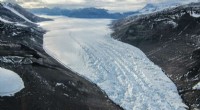
While a smooth mountain rock surface generally leads to increased runoff due to reduced infiltration and faster flow, factors like slope, rainfall intensity, and vegetation can influence the overall effect. It's important to consider the specific context and factors involved to understand how a smooth rock surface affects runoff in a particular situation.