1. Formation:
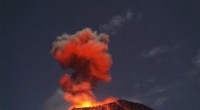
* Igneous Rocks: Formed from molten rock (magma or lava). Their shapes depend on:
* Cooling rate: Slow cooling creates large crystals (e.g., granite), while fast cooling leads to smaller crystals (e.g., basalt).
* Location: Magma cooling underground often forms irregular shapes, while lava cooling above ground forms flows, cones, or plateaus.
* Sedimentary Rocks: Formed from fragments of other rocks, minerals, or organic matter. Their shapes are determined by:
* Sediment size and shape: Rounded pebbles, angular gravel, or fine sand create distinct structures.
* Depositional environment: Riverbeds, lakes, or oceans each produce different textures and layering.
* Metamorphic Rocks: Formed when existing rocks are transformed by heat and pressure. Their shapes are influenced by:
* Original rock type: The starting material affects the final shape.
* Stress and deformation: Folding, shearing, and compression can create unique structures like folds and foliation.
2. Weathering and Erosion:
* Weathering: The breakdown of rocks at the Earth's surface due to factors like:
* Physical weathering: Freeze-thaw, abrasion, root growth break rocks into smaller pieces.
* Chemical weathering: Dissolution, oxidation, and hydrolysis alter rock composition.
* Erosion: The transportation of weathered rock material by:
* Wind: Carries sand and dust, sculpting sand dunes and carving rock formations.
* Water: Rivers, streams, and waves erode channels, canyons, and coastlines.
* Glaciers: Carve out valleys, polish rock surfaces, and deposit glacial till.
3. Tectonic Activity:
* Plate tectonics: The movement of Earth's plates causes earthquakes, volcanic eruptions, and mountain building.
* Folding: Compression forces rocks to bend, creating folds and mountains.
* Faulting: Rocks break and move along fractures, creating cliffs and escarpments.
4. Other Factors:
* Gravity: Gravity pulls down on rocks, causing them to break apart and slump down slopes.
* Biological activity: Plants, animals, and microorganisms can contribute to weathering and erosion.
The result of these processes is a wide variety of rock shapes:
* Angular: Jagged and sharp (e.g., boulders, scree)
* Rounded: Smooth and curved (e.g., pebbles, cobbles)
* Layered: Stratified, with distinct layers (e.g., sedimentary rocks)
* Folded: Curved or bent (e.g., mountains, folds in metamorphic rocks)
* Fractured: Broken or cracked (e.g., faults, joints)
The specific shape of a rock depends on the combination of geological processes that acted on it over time.