* Subduction: At convergent plate boundaries, denser oceanic crust is pushed beneath less dense continental crust. This process is called subduction.
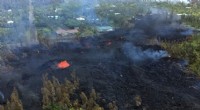
* Melting and Recycling: As the oceanic crust descends into the mantle, it heats up and begins to melt. This molten rock, known as magma, rises back to the surface.
* New Crust Formation: At mid-ocean ridges, magma erupts onto the ocean floor, creating new oceanic crust. This process is called seafloor spreading.
* Continental Growth: Some of the molten rock may also rise through the continental crust, leading to volcanic eruptions and mountain building.
So, what happens to the old crust?
* It is destroyed: The subducted oceanic crust is melted and recycled back into the mantle.
* It is transformed: Some of the subducted crust can re-emerge as magma, forming new crustal rocks.
* It can be pushed up: The old crust can be pushed upward to form mountains or other landforms.
In essence, the old crust is not simply discarded, but rather is constantly being recycled and transformed through the Earth's dynamic processes. This cycle of creation, destruction, and recycling is what keeps the Earth's surface constantly changing.