Physical Weathering:
* Abrasion: As water flows, it carries sediment like sand and gravel. This sediment grinds against the rock, slowly wearing it down. Think of a river carrying pebbles that constantly bump against the riverbed.
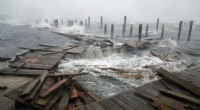
* Hydraulic Action: The force of rushing water can create pressure against rock surfaces. This pressure, especially in confined spaces like cracks, can fracture the rock over time. Imagine a wave crashing against a cliff, the water pushing against it.
* Freeze-Thaw: Water expands when it freezes. If water seeps into cracks in rocks and then freezes, the expanding ice can put pressure on the rock and cause it to fracture. This is especially effective in areas with frequent freeze-thaw cycles.
Chemical Weathering:
* Dissolution: Some minerals in rocks, like calcite in limestone, are soluble in water. As water flows over these rocks, it dissolves these minerals, gradually weakening the rock structure. This is why you often see caves and sinkholes in limestone areas.
* Hydrolysis: Water molecules can react with minerals in rocks, breaking them down. For example, feldspar, a common mineral in granite, can be broken down into clay minerals through hydrolysis.
* Oxidation: Water can carry oxygen, which can react with minerals in rocks, especially iron. This process, known as oxidation, can weaken the rock and cause it to crumble. This is why rocks containing iron often have a reddish-brown color, indicating rust.
The combined effect:
All these processes work together to break down rocks into smaller pieces. Over time, these smaller pieces are carried away by the water, leaving behind a weathered landscape. This is how rivers carve out canyons, waterfalls erode cliffs, and beaches are formed.
Examples:
* Canyons: The Grand Canyon was formed over millions of years by the Colorado River, which eroded the rock through abrasion, hydraulic action, and dissolution.
* Sea Cliffs: Waves crashing against coastal cliffs cause erosion through abrasion, hydraulic action, and freeze-thaw (in colder climates).
* Sand dunes: Wind-blown sand particles abrade rocks on the beach, breaking them down into smaller pieces that eventually form sand dunes.
The weathering power of moving water is a significant force shaping our planet's landscapes. It's a continuous process, constantly reshaping the Earth's surface.