1. Hardness and Durability: Igneous rocks are generally very hard and resistant to weathering. This is because they are formed from the cooling and solidification of molten rock, which creates strong crystalline structures.
2. Chemical Resistance: Many igneous rocks are composed of minerals like quartz, feldspar, and mica, which are relatively resistant to chemical weathering processes such as oxidation and dissolution.
3. Lack of Bedding Planes: Unlike sedimentary rocks, igneous rocks often lack distinct bedding planes, which are weaknesses that can be exploited by weathering and erosion. This makes them more resistant to breaking down along specific lines.
4. High Density: Igneous rocks are usually denser than other rock types, which means they are more resistant to erosion by wind and water.
5. Slow Formation Rate: Igneous rocks form slowly, giving them time to cool and solidify into strong structures.
Examples of Long-Lasting Igneous Landforms:
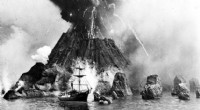
* Volcanic Mountains: These are made of lava flows and volcanic ash, both of which are highly resistant to weathering.
* Granite Domes: Granite, a common igneous rock, is extremely hard and resistant to weathering, leading to the formation of prominent domes and cliffs.
* Batholiths: Large underground bodies of intrusive igneous rock can be exposed over time due to erosion, forming impressive mountainous landscapes.
However, it's important to note that even igneous rocks are not invincible:
* Weathering and Erosion: While resistant, igneous rocks can still be weathered and eroded over long periods of time.
* Jointing: Igneous rocks can develop cracks known as joints, which provide pathways for water to penetrate and cause weathering.
* Chemical Weathering: While generally resistant, certain types of igneous rocks can be susceptible to specific chemical weathering processes.
Overall, while igneous landforms may not last forever, their inherent hardness, durability, and resistance to weathering processes make them remarkably long-lived features of the Earth's surface.