Earth Science:
* Broader Scope: Earth science encompasses the study of all aspects of our planet, including its atmosphere, oceans, landforms, and even the living things that inhabit it.
* Disciplines: It encompasses many different disciplines, such as:
* Geology: Study of the Earth's solid, non-living components.
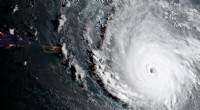
* Meteorology: Study of the atmosphere and weather.
* Oceanography: Study of the oceans and their features.
* Ecology: Study of the relationships between living organisms and their environment.
* Environmental science: Study of human impacts on the environment.
* Focus: Earth science aims to understand the Earth as a complex system, with interactions between different components.
Geology:
* Focused Scope: Geology is specifically concerned with the study of the solid, non-living parts of the Earth.
* Disciplines: It includes sub-disciplines such as:
* Petrology: Study of rocks.
* Mineralogy: Study of minerals.
* Geochemistry: Study of the chemical composition of the Earth.
* Structural geology: Study of the Earth's structure and deformation.
* Paleontology: Study of fossils and ancient life.
* Focus: Geology delves deeper into the Earth's composition, formation, and history.
Think of it this way:
* Earth science is like a big house: It has many rooms, each representing a different scientific discipline.
* Geology is one room in that house: It's a very important room, but it's only a part of the whole house.
In summary:
* Earth science: Broader, encompasses all aspects of the planet.
* Geology: Focused, deals specifically with the solid, non-living components of the Earth.
Both fields are essential for understanding our planet and the challenges we face, such as climate change and resource management.