Oceanic-Continental Collision:
* Density: Oceanic crust is denser than continental crust.
* Process: When an oceanic plate collides with a continental plate, the denser oceanic plate subducts (sinks) beneath the continental plate.
* Features: This process creates:
* Subduction Zones: Where the oceanic plate dives under the continental plate.
* Volcanoes: Magma rises from the subducting plate, often creating volcanic arcs on the continental plate.
* Deep Ocean Trenches: Formed where the oceanic plate bends down.
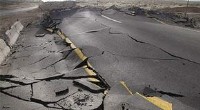
* Earthquakes: As the plates grind against each other, they cause earthquakes.
* Examples: The Andes Mountains in South America and the Cascade Range in North America are formed by this type of collision.
Continental-Continental Collision:
* Density: Both continental plates are relatively similar in density.
* Process: When two continental plates collide, neither plate is able to subduct completely.
* Features: This collision results in:
* Mountain Ranges: The collision forces the plates to buckle and fold, creating immense mountain ranges.
* Earthquakes: Frequent and sometimes powerful earthquakes occur due to the immense pressure.
* Plateaus: Large, elevated areas may form.
* No Volcanoes: Since neither plate subducts fully, there is little to no magma production.
* Examples: The Himalayas in Asia and the Alps in Europe are formed by this type of collision.
Summary:
| Feature | Oceanic-Continental Collision | Continental-Continental Collision |
|------------------------|-----------------------------|-----------------------------------|
| Density | Oceanic crust is denser. | Similar density. |
| Subduction | Oceanic plate subducts. | Neither plate subducts fully. |
| Volcanoes | Yes, often creates volcanic arcs. | No. |
| Mountain Ranges | Yes, but often smaller than continental collisions. | Yes, very large and extensive. |
| Earthquakes | Yes, usually frequent and powerful. | Yes, frequent and potentially very strong. |
In essence, the different densities of the crust dictate how they interact during collisions. Oceanic-continental collisions result in subduction and volcanic activity, while continental-continental collisions produce immense mountain ranges without volcanic activity.